How The Art of War Can Help Improve Your Fitness
The Art of War is on just about every military reading list for a reason. Sun Tzu’s lessons on strategy, self-knowledge, and preparation travel well — across centuries, across domains, and directly into the gym.
”The supreme art of war is to subdue the enemy without fighting”
Think about every workout you have ever dragged yourself through — hating every rep, watching the clock, surviving rather than training.
Now think about the sessions you actually looked forward to. Where time moved differently. Where you pushed harder because you wanted to be there.
Sun Tzu’s point translates directly: if you can find a training method you genuinely enjoy, the daily discipline problem mostly solves itself. You do not have to white-knuckle your way to consistency if you are not fighting yourself to show up.
This is not permission to avoid hard work. Hard work is non-negotiable. But there is a meaningful difference between hard work you have chosen and hard work you are grinding through resentment. One compounds. The other eventually breaks.
”Know your enemy and know yourself and you can fight a hundred battles without disaster”
Knowing yourself is the most underrated factor in any goal. Most people fail not because they lacked information, but because they did not honestly account for their own weaknesses.
They left the ice cream in the freezer even though they have never once resisted it at 10pm. They skipped meal prep because they “planned to make good choices” at lunch — which has never worked in the history of ever.
Before you chase any fitness goal, spend five minutes on this: where are you actually weakest? What specific situations reliably derail you?
Then design around them. Not willpower — design. Remove the ice cream. Block the calendar for training. Prep the food on Sunday. Make the wrong choice harder than the right one.
For a deeper look at applying this kind of honest self-assessment to long-term training, the 4 pillars of athletic success covers how this plays out over months and years.
”He who knows when he can fight and when he cannot will be victorious”
This one is about ego — and ego will injure you.
The gym fail videos are funny because they are extreme. But the same thing happens quietly every day: someone loads more than they can control, moves like garbage through the rep, and wonders why something hurts six weeks later.
No one is forcing you to lift more than you are ready for. That pressure is entirely internal — and it is the ego talking.
The training sequence is clear: mechanics first, consistency second, intensity third. A coach who will not let you add weight until your movement is clean is keeping you in the game long enough to actually make progress. The how to get stronger absolute strength post shows what this looks like applied to real programming.
”A good commander is benevolent and unconcerned with fame”
Quick filter for finding good fitness advice: does this person spend more time helping people get results or performing for the camera?
Athletes who become coaches are not automatically good coaches. The person responsible for a great athlete’s results is usually someone you have never heard of. Subject matter expertise and coaching ability are different skills.
Be appropriately skeptical of anyone whose primary output is content about themselves.
”The art of war teaches us to rely not on the likelihood of the enemy’s not coming, but on our own readiness to receive him”
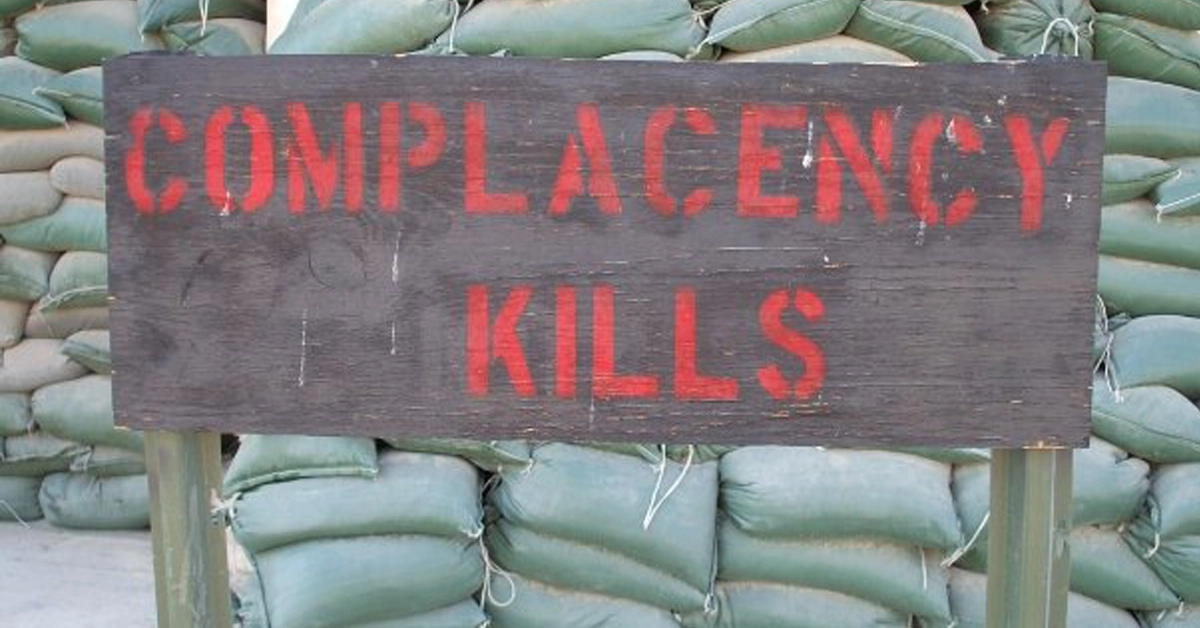
Complacency kills. It does not only apply downrange.
If you are in a military or law enforcement role, you do not know when a physically demanding situation will demand everything you have. The point of training is not aesthetics — it is readiness. And even if you are not in that world, fitness is long-term insurance against the things that quietly degrade as you age: strength, mobility, metabolic health, cognitive sharpness.
The effort you put in today has a return regardless of whether you ever “need” it in an obvious way.
”Failure is not a result of poor willpower, but a result of poor strategy”
Willpower is finite and a terrible foundation for any habit. Strategy is repeatable and does not depend on how you feel that morning.
Clean out the junk food. Schedule training like a meeting. Find a program so you are not improvising in the gym. Reduce the decisions you have to make in the moment.
Sun Tzu tells us not to strike where the enemy is strongest. Your worst habits are strongest when you are tired, hungry, and improvising. Stop fighting them head-on. Set conditions that make the right behavior easier than the wrong one.
The lessons from a 2,500-year-old military text hold up because human nature has not changed. Know yourself. Set conditions for success. Check the ego. Stay ready.
If you want a daily program that does the strategic thinking for you — built around real-life time constraints — the Strategic Foundations Training Team is worth a look. Free 14-day trial.