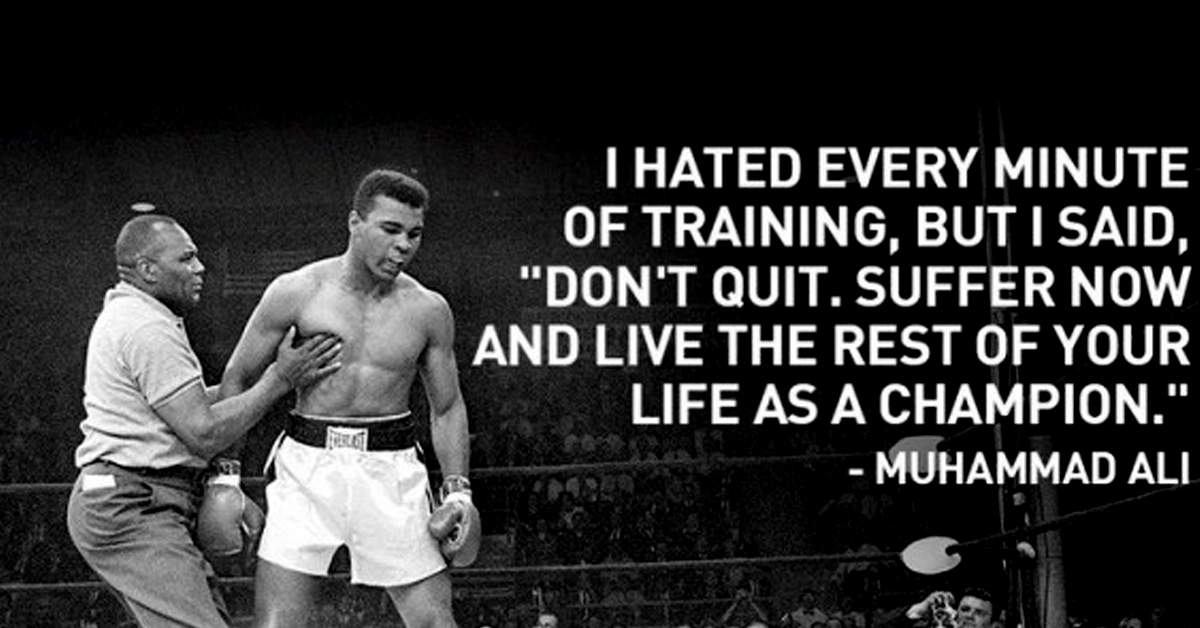
Get Up and Go Train: What to Do When You Have Zero Motivation
Some days just suck.
You are sore. You are tired. You would rather do literally anything else than put weight on a bar. The voice in your head has a long list of reasons why skipping today is the smart move.
Sometimes that voice is right. If you have been grinding hard for a week straight and your body is genuinely cooked, a rest day is the correct call. Recovery is training.
But here is the other situation: it is Tuesday morning, you took the weekend off, you slept fine, and you are manufacturing reasons not to train. That is not recovery. That is negotiating with yourself — and you are losing.
The rule that works every time
Get up and go anyway.
Every single time I have felt like this and trained anyway, I felt better by the end of the session. Without exception. The workout does not have to be great. You do not have to set a PR. You do not have to hit the volume or intensity you planned.
You just have to show up, pick something up, put it down, and repeat.
The work you put in on a bad day matters less than the fact that you did it. What you are actually building on those days is the habit of not negotiating with the excuse-making part of your brain. That habit compounds over time into something the people who only train when they feel like it will never have.
How to tell rest from avoidance
The distinction matters. Here is the simple version:
Genuine recovery need: Multiple consecutive hard training days, persistent soreness that is not clearing, disrupted sleep, elevated resting heart rate, performance declining across sessions.
Avoidance dressed up as recovery: One bad night of sleep, general low motivation, vague tiredness that disappears ten minutes into any physical activity.
When in doubt, start the warmup. If you are genuinely run down, you will know within the first five minutes. If you are fine and just did not feel like going, you will know that too — and you will finish the session.
Free Guide
Build mental toughness with structured workouts.
If building the mental discipline to train consistently is something you are working on, I put together a free guide — 10 Workouts to Improve Mental Toughness — with structured sessions designed to build exactly this habit.
What this is really about
No one cares what you do when you feel great. Anyone can train hard when they are rested, motivated, and everything is going right.
It only matters what you do when you are beaten down, tired, and looking for a reason to stop.
As Zach Even-Esh puts it: true strength is the ability to get the job done.
Go get the job done.