The Importance of Sleep: What Happens to Performance When You Skip It
You already know you should sleep more. Everyone does. The problem is not awareness — it is prioritization. Sleep keeps getting cut to fit everything else in, and the cost of that habit compounds in ways most people dramatically underestimate.
What sleep deprivation actually does to your body
Testosterone
Short and disrupted sleep can alter hormonal regulation, including testosterone, but the size and duration of the effect varies by the amount of sleep loss, timing, and population studied.
Insulin sensitivity
Experimental sleep restriction can reduce insulin sensitivity and impair glucose regulation. The response depends on the severity and duration of restriction, and long-term health risk also reflects activity, diet, genetics, medical conditions, and other factors.
Growth hormone
Growth hormone secretion is closely tied to sleep, especially deep sleep. Chronic restriction can disrupt that pattern even when the body partially adapts to a single short night.
Cortisol
Cortisol normally follows a daily rhythm, with higher levels around waking and lower levels later in the day. Sleep disruption can alter stress-hormone patterns, but a single cortisol claim cannot predict muscle gain or body composition. The stress management post covers practical recovery habits.
What it does to physical performance
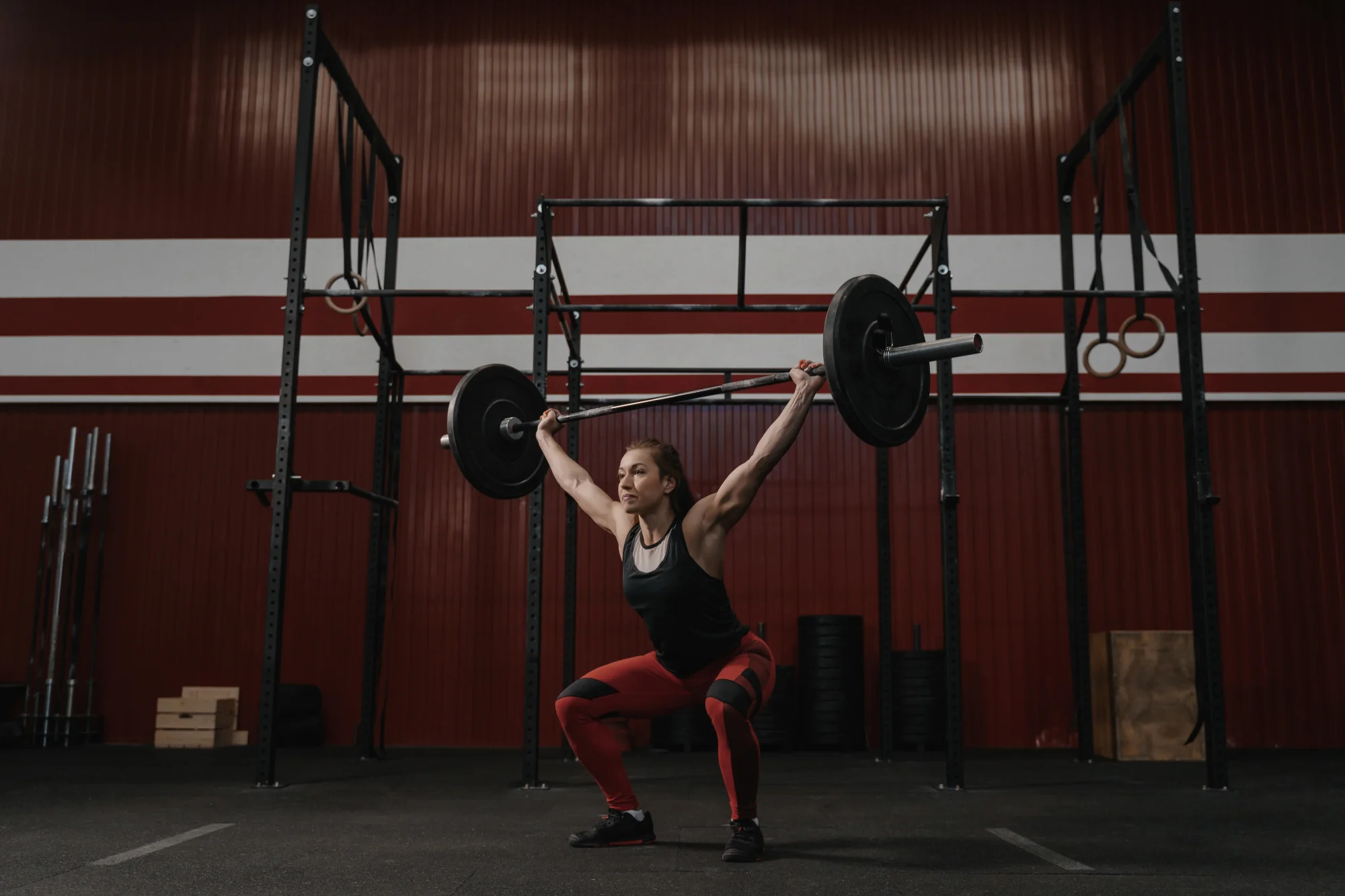
Systematic reviews find that sleep deprivation can reduce endurance, maximal force, speed, explosive performance, and skill while making effort feel harder. The magnitude varies across sports and protocols, but the direction is consistent enough to treat sleep as part of programming rather than optional downtime.
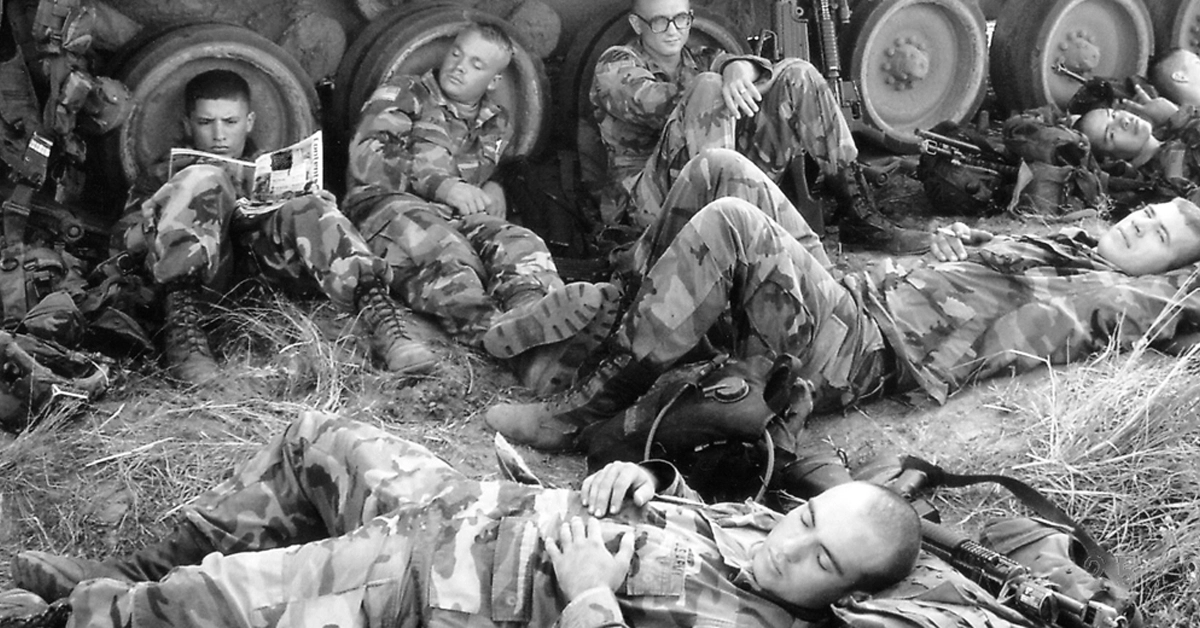
When field conditions prevent a full night, a short nap may improve alertness and can be a legitimate fatigue-management tool. It does not fully replace adequate nighttime sleep.
What it does to the brain
Sleep supports attention, memory, emotional regulation, and reaction time. Persistent deprivation can degrade decision-making and cognitive control in high-stakes environments even when an athlete can still force their way through a physical task.
How to actually improve your sleep
Target at least seven hours, with more when training and recovery demands are high. Individual needs vary; consistency and enough total sleep matter more than trying to time bedtime around a fixed 90-minute cycle.
Reduce disruptive light. Dim bright light and screens before bed when they delay sleep, and keep the room dark enough for comfortable, uninterrupted rest.
Build a pre-sleep routine. The brain responds to behavioral cues. A predictable wind-down sequence — dark room, shower, low-stimulation reading, lights out — trains the nervous system to recognize that downregulation is appropriate. Fiction over training content for that last hour — stimulating material activates, it does not relax.
The no-supplement shortcut that does not exist
I get asked regularly about supplements for performance. Nine times out of ten, when I ask how much sleep the person is getting, the answer is under seven hours.
Supplements cannot compensate for a chronically inadequate sleep opportunity. Before spending money on a recovery product, improve the sleep schedule and environment you can realistically control.
For the other half of the recovery equation, hydration has similarly outsized effects on performance that most people underestimate — the combination of sleep and hydration optimization is the highest-leverage recovery work available.
Sources
- Gong, M., et al. (2024). Effects of acute sleep deprivation on sporting performance in athletes: A systematic review and meta-analysis. Nature and Science of Sleep, 16, 935–948.
- Cunha, L. A., et al. (2023). The impact of sleep interventions on athletic performance: A systematic review. Sports Medicine - Open, 9, 58.
- Watson, N. F., et al. (2015). Recommended amount of sleep for a healthy adult. Sleep, 38(6), 843–844.