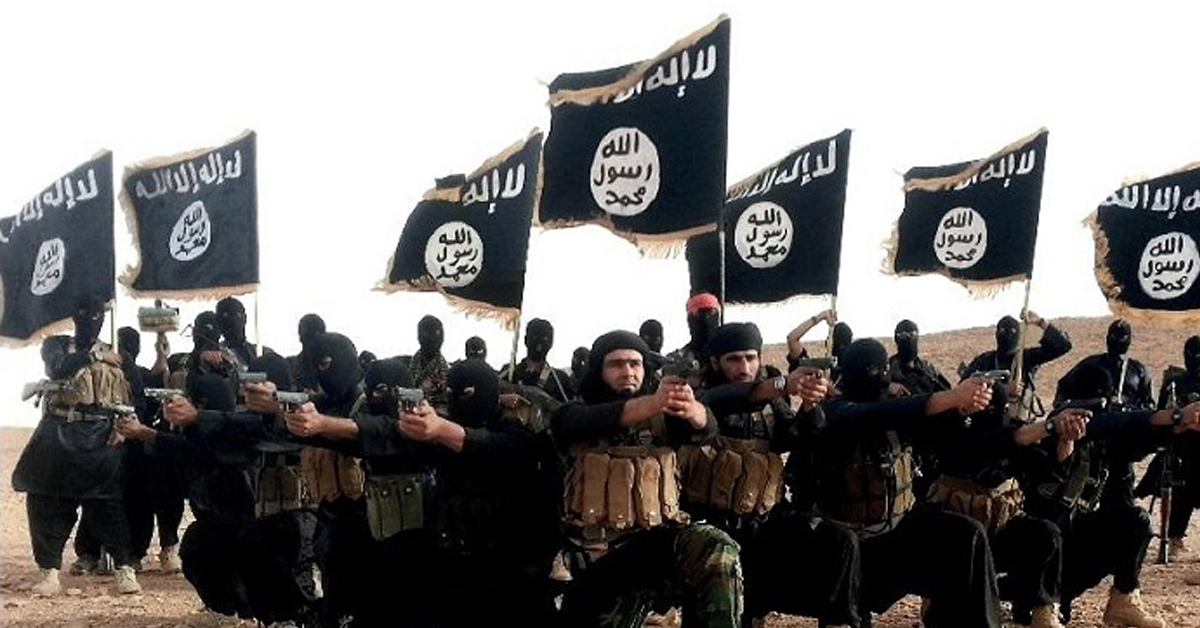
Knowing Your Enemy: Why Sun Tzu Still Matters
If you know the enemy and know yourself, you need not fear the result of a hundred battles. If you know yourself but not the enemy, for every victory gained you will also suffer a defeat. If you know neither the enemy nor yourself, you will succumb in every battle. — Sun Tzu, The Art of War
Note before publishing: The image filename for this post (ISIS-Idiots.webp) should be renamed to something neutral before this post goes live — for example art-of-war-compass.webp. Update the image field to match.
This post is a departure from the usual training content. Worth your time anyway.
What I got wrong as a leader
The Art of War is on the Commandant’s Reading List for a reason. The principle is clear: study your enemy. Understand how they think, what they want, and what they are willing to do.
What I did not do — while actually operating in the environments these principles were supposed to apply to — was take it seriously enough.
When I was in Iraq, my attention was on the immediate tactical picture. The noise of daily operations crowded out the deeper thinking that would have made the work more effective. I was not spending time studying strategic context, historical background, or the long-term implications of decisions being made above my level.
Looking back, that was a leadership gap. A common one. But worth naming honestly.
Why it matters right now
The rise of various extremist groups over the past decade has generated enormous amounts of strong opinion and very little informed analysis. Politically charged takes, misleading rhetoric, and reflexive reactions dominate — leaving most people with feelings about complex situations rather than understanding of them.
This is not a partisan observation. It is a structural one. The information environment rewards emotional reaction faster than it rewards careful thought. If you are consuming news passively, you are getting the emotional version, not the accurate one.
The same critical thinking skills that make a good coach, a good leader, or a good athlete — looking past the surface, checking sources, asking what is actually being claimed — apply directly to how you engage with complex geopolitical issues.
The challenge
Before you form an opinion, before you share a take, before you decide what you believe about a complicated situation — do the reading.
Understand what an organization actually is, what it actually wants, and what threat it actually poses. Understand the history. Form a view based on evidence rather than reaction.
This is what it means to know your enemy — not just to have strong feelings about them.
A few places to start for any major conflict or threat you want to understand seriously: The Atlantic, The Economist, and academic foreign policy journals are more reliable than social media feeds and cable news. Primary sources — official statements, court documents, direct reporting — beat secondhand summaries.
The longer-term habit
Beyond any specific issue, build the habit:
Question what you are fed. Do your own research. Set the example for the people in your orbit — civilian, veteran, or active duty. The people around you are probably looking to you to make sense of complex situations. That is a responsibility worth taking seriously.
Si vis pacem, para bellum. If you want peace, prepare for war.
Preparation begins with studying your enemy — honestly, rigorously, and without the comfort of confirmation bias.