What's Your Motivation? Why You Train Matters More Than How You Train
There is a difference between training because you should and training because you have something to prepare for.
Both produce results. One produces considerably better ones.
For years, the primary motivation for staying in the training saddle through busy stretches, high stress, and general life resistance has been a simple one: having an event on the calendar. When there is something specific to prepare for — a GORUCK event, a PT test, a selection, a race — training decisions become easier. The question shifts from “should I train today?” to “what does the event require, and am I prepared?”
That shift is underrated.
The GORUCK Testing Model
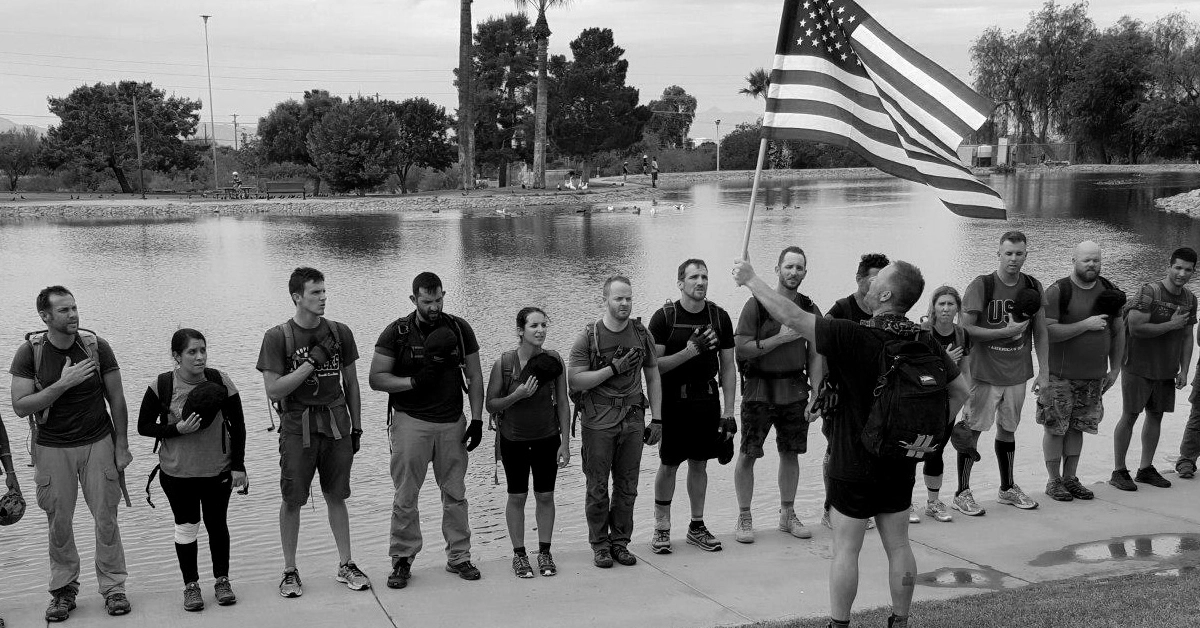
GORUCK events — team challenges that run 8–24+ hours under cadre from Special Operations backgrounds — have served as more than a personal challenge. They are a periodic field test for training concepts.
If you are going to tell athletes that they can build serious endurance and load carriage capacity from a low-volume, high-intensity program, you should be able to demonstrate it. Which means actually doing the events, not just publishing the theory.
Completing eight and nine of these events back to back over a July 4th weekend — the 8th and 9th overall — while following a training approach built around minimal effective dose rather than high volume, provided exactly that confirmation. The training works. The events verified it.
The two reasons for doing them are worth noting directly because they are both applicable to anyone trying to sustain long-term training motivation:
1. Something to train for. An event on the calendar creates a concrete endpoint. Training has direction. Programming decisions become easier because they are filtered through one question: does this make me more prepared for the event?
2. Real-world testing of the training. Gym numbers and training metrics are useful proxies, but they are proxies. There is genuine value in putting the training under conditions that cannot be controlled — weather, duration, team dynamics, unexpected demands — and seeing what holds.
So What Is Your Motivation?
The specifics do not matter as much as having an answer.
What actually gets you out of bed early when you slept four hours? What makes you choose the hard option when the easy one is right there? What are you actually training for — not the answer that sounds good, but the one that is true?
If you do not have a clear answer, spend ten minutes finding one. Write it down. Make it specific enough to explain to someone else. The clearer the motivation, the more durable it is when conditions get hard.
The motivation post features reader responses that are worth reading for exactly this purpose — military athletes and first responders sharing the real reasons they train, many of which are more specific and more compelling than anything generic.
“Somewhere a true believer is training to kill you. He is training with minimum food and water, in austere conditions, day and night. The only thing clean on him is his weapon. He doesn’t worry about what workout to do — his rucksack weighs what it weighs, and he runs until the enemy stops chasing him. He only knows the cause. Now. Who wants to quit?”
The source of this quote is disputed, but the sentiment is not. Purpose-driven training hits differently than training by default.
Find yours.