Plantar Fasciitis: Manage Heel Pain and Build Back to Running
This is training information, not a diagnosis. Have persistent or worsening heel pain assessed by a qualified medical professional; get prompt care if you cannot bear weight or have pain after an acute injury.
You know the feeling. You wake up in the morning, put your feet on the floor, and immediately wince. It feels like someone spent the night stabbing the bottom of your foot. Then it slowly eases up as you move around — only to come roaring back after your next run.
That pattern is common with plantar fasciitis. It is a frustrating injury because the heel can feel better during activity even when it is not ready for the amount of work you are giving it.
What Plantar Fasciitis Actually Is
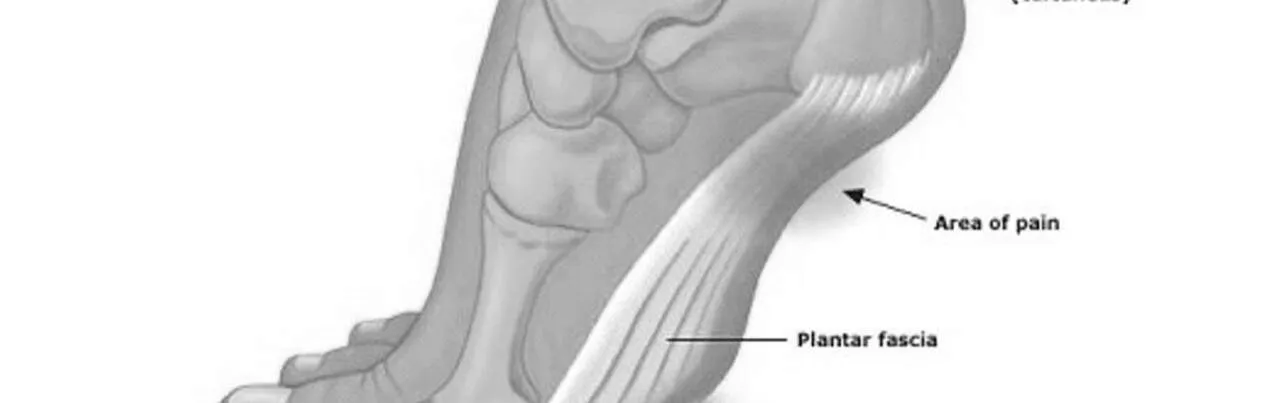
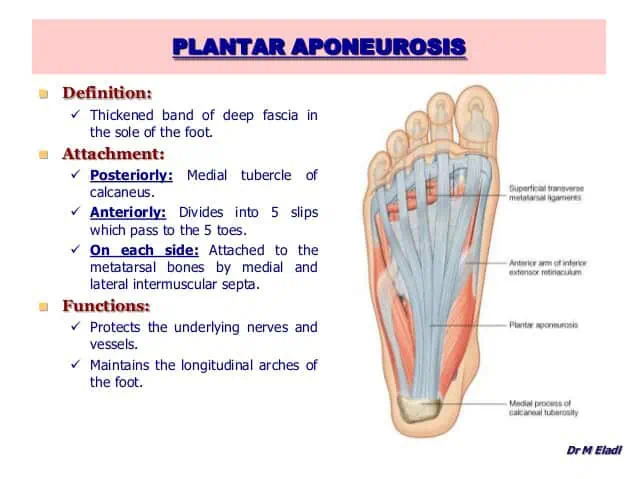
The plantar fascia (plantar aponeurosis) is a thick band of connective tissue along the bottom of your foot. It runs from the heel toward the toes and helps support the arch.
Plantar fasciitis often involves pain near its attachment at the heel. Despite the name, persistent cases are not simply inflammation that never switches off. The 2023 heel-pain clinical guideline describes a spectrum of inflammatory and degenerative tissue changes.
Pain with the first steps after rest is typical. It may ease as you move, then flare after more time on your feet. Feeling warmed up is not a reason to ignore what happens later that day or the next morning. The AAOS overview covers the common symptoms and treatment options.
Who Gets It and Why
Runners and ruckers put repeated load through the foot. A jump in mileage, hills or pack weight can be more than the foot is ready to handle. Long hours standing matter too; this is not limited to runners.
Athletes changing footwear need time to adjust. Minimalist shoes are not automatically better for your mechanics. A sudden switch changes the demands on your feet and calves, especially if you keep the same training volume.
Anyone increasing activity quickly can run into trouble. Look at the whole week, including work, walking and training, rather than counting only running miles.
Look at the Foot and the Rest of the Leg
Limited ankle mobility and tight calves can be relevant. Foot strength, footwear, activity load and individual history also deserve attention. The useful plan depends on which of those factors matter for you.
Glute and hip work can support your overall training, especially when strength or control is limited. But an arch that moves or a knee that tracks inward does not prove weak glutes caused the heel pain. Direct foot and ankle work belongs in the plan too.
The same load-management principle applies to shin splints: look at what changed in training before deciding a single movement fault explains the injury.
Start by Adjusting the Load
Reduce the running, jumping or long walks that make the heel worse. Cycling or swimming can keep conditioning in the plan if they are comfortable. Choose footwear that lets you move comfortably rather than treating a shoe category as the cure.
As symptoms settle, build activity back gradually. Keep an eye on your first steps the next morning. If the heel is getting progressively more painful, the current amount of work needs adjusting.
Mobility Work That Fits the Problem
The clinical guideline supports calf and plantar-fascia stretching. Add general lower-body mobility where it helps you move comfortably; keep it within what the heel tolerates.
Standing Calf Stretch (Straight and Bent Leg)
A straight knee emphasizes the gastrocnemius; bending the knee shifts the emphasis toward the soleus. Both are calf muscles. Use comfortable holds rather than forcing the heel down. If you work toward two minutes per position, split it into shorter holds as needed.

Plantar Fascia Stretch
Sitting with the affected foot across the other knee, gently pull the toes back until you feel a stretch along the arch. The AAOS instructions show this foot-specific stretch, including using it before the first steps in the morning.
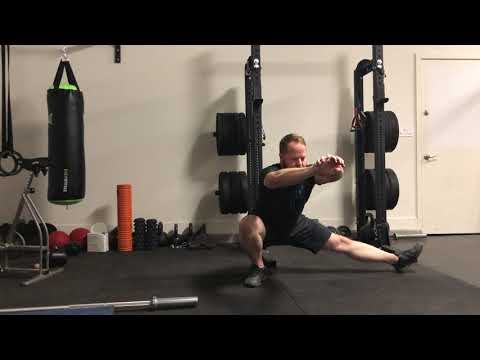
Cossack Squat
A useful option for general lower-body mobility if your heel tolerates it. Keep the planted foot supported, use a comfortable range, and start with 5–10 controlled reps each direction. You do not need to force the bottom position.
The 10-Minute Squat Hold
A squat hold can show you where a movement feels restricted. Use support and shorter holds as needed. Ten cumulative minutes is an optional mobility challenge, not a plantar-fasciitis treatment requirement. Skip it if it aggravates the heel.

Soft Tissue Work for Comfort
Gentle massage or rolling may help the foot or calf feel more comfortable. It does not need to be aggressive, and it is not proof that you have freed up stuck fascia. Use pressure you tolerate instead of digging into a painful heel.
The Kelly Starrett videos below demonstrate mobilization options. Choose what feels useful rather than trying to force every technique into your recovery plan.
Plantar Fasciitis — Kelly Starrett:

Heel and Calcaneus Mobilization:

Strengthen the Foundation
Start with the foot and ankle as well as the rest of the leg. The clinical guideline recommends resistance exercise for the foot and ankle muscles.
Build up calf raises. Choose a version you can control and tolerate, then progress the resistance as you improve. A randomized trial of progressive heel-raise training found better self-reported foot function at three months than stretching alone; both groups also used shoe inserts. The groups were not different at the later six- and twelve-month checks. It is one useful loading option.
Keep useful lower-body strength work. Squats, step-ups, hip thrusts, single-leg deadlifts and lunges can remain in the plan when they are tolerable. They support general strength; they do not replace foot-specific rehabilitation.
Save jumping for the return to impact. Jump rope adds repeated impact through the foot. Build back to running and jumping after easier loading is going well, and start with small amounts rather than five continuous minutes barefoot.
A solid strength and conditioning program can support that return. The load and exercise choices should fit what your foot can currently handle.
The Running Side of Recovery
Heel striking describes which part of the foot lands first. Overstriding describes reaching too far forward with the step. They are not interchangeable, and heel striking alone does not explain plantar fasciitis.
A systematic review of foot-strike changes found that changing the strike redistributes loading, with more ankle and calf demand from a forefoot pattern. It did not establish a universal injury-prevention benefit.
If running-related foot pain keeps returning, look at training load and consider whether an individual form adjustment would help. The Free 5-Part Endurance Mini-Course covers running mechanics and training habits to work on as you build back.
Put the Pieces Together
Give the heel a manageable workload. Use calf and foot stretching, build foot and ankle strength, and keep the rest of your training within what you can recover from. General mobility and soft tissue work can support the plan when they help.
Recovery can take time. Keep the foot-specific work alongside general strength and adjust the plan to how the heel responds.
When you are building back to running, training smarter with less volume offers ideas for keeping the workload useful without automatically adding more miles.