Get Shin Splints? Here Is How to Fix Them and Keep Them From Coming Back
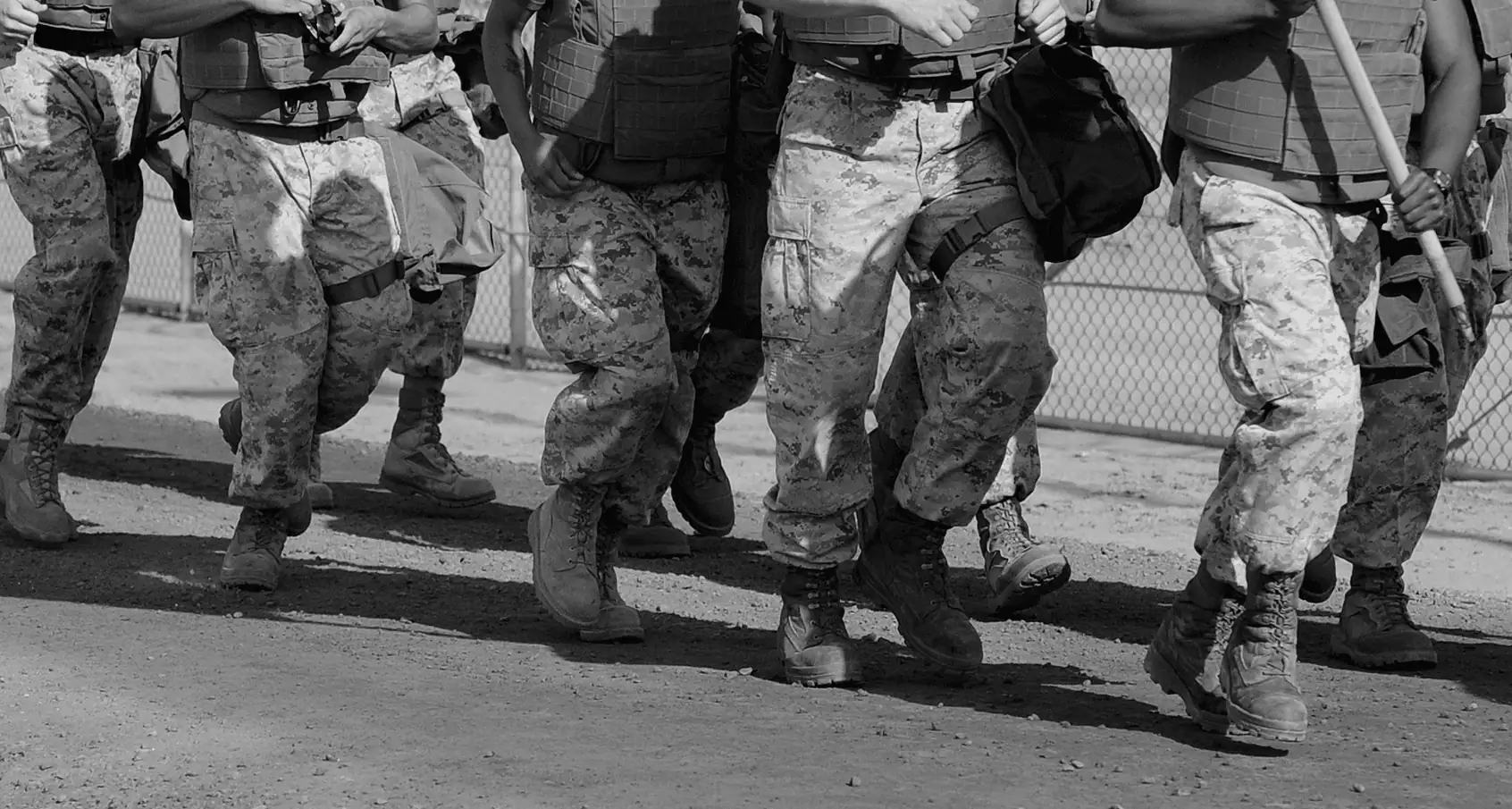
Shin splints keep showing up in my inbox. And I get it — they are one of the most common and most persistent training injuries for anyone who runs or rucks regularly.
Here is what actually causes them and how to fix the problem rather than just manage the symptoms.
Quick disclaimer: I am not a doctor. If you have persistent pain, suspect a stress fracture, or have signs of compartment syndrome — get evaluated by a qualified medical professional. Not all lower leg pain is shin splints.
What shin splints actually are
“Shin splints” covers pain in the muscles and connective tissue surrounding the shin bone — typically inflammation in the anterior tibialis, posterior tibialis, and the interosseous membrane between the lower leg bones.
Pain is usually worst after running or rucking and worst first thing in the morning when tissues have shortened overnight.
A quick self-screen: dorsiflex your foot (pull your toes toward your shin). If that movement produces pain or lights up your shin muscles, you are likely dealing with shin splints.
The two main causes
1. Mobility problems — the root cause most people miss
Watch how someone with shin splints stands and walks. More often than not, their feet are pointed outward.
That duck-footed stance creates a chain reaction: when the foot hits the ground, the ankle and arch collapse inward. That medial displacement puts enormous stress on the posterior tibialis with every single step. Run or ruck long enough like that and the tissues become inflamed.
Why does the foot collapse?
Two primary reasons:
Tight anterior hips and quads — from sitting in a flexed position most of the day. When the vastus medialis gets tight and the system is loaded during a run stride, the leg gets pulled into internal rotation. The knee tracks inward, the ankle collapses, and the arch flattens.
Weak hip rotators — the glutes are not stabilizing the leg. Without that stability, everything below the hip is uncontrolled.
The fix:
Stretch and mobilize your anterior hips and quads daily — foam rolling, lacrosse ball work, and targeted stretching consistently for two weeks. Pay attention to how your foot position changes.
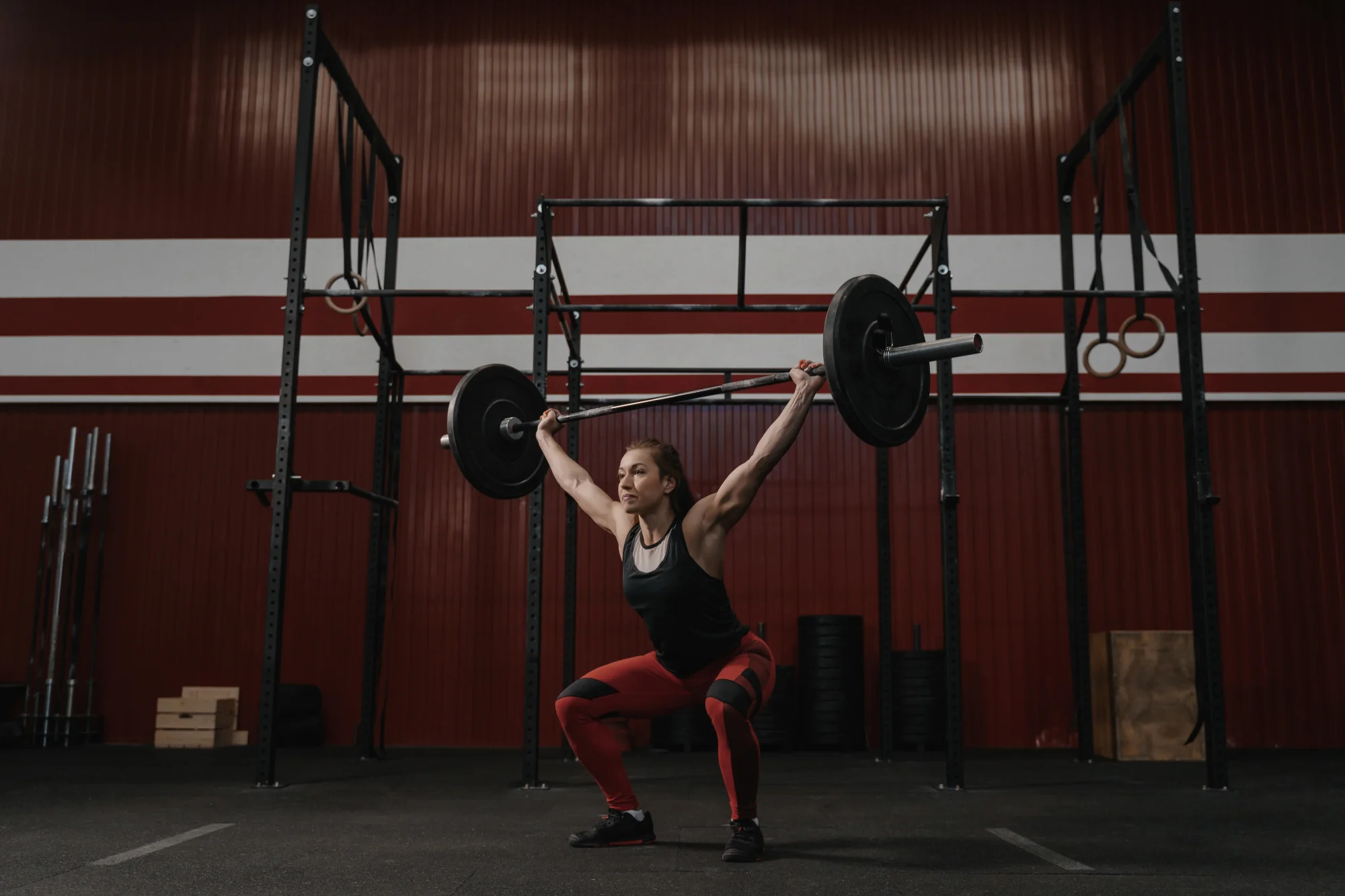
Get stronger in your lower body. A properly loaded barbell squat with good mechanics does more to fix this problem than most people expect. Add unilateral work — lunges and step-ups — to address the single-leg stability deficit that running and rucking expose. This is also why the foundation of ruck training prioritizes these exact movements.
2. Heel striking
Every time you land on your heel with toes pulled up — foot dorsiflexed, foot out in front of your body — you are putting a force of two to three times your bodyweight, eccentrically, into the anterior tibialis and surrounding tissues. Repeat that thousands of times per run and you are creating real damage.
Eccentric loading causes significantly more muscle damage than concentric work. That repeated heel strike impact is a direct cause of shin splint development.
The fix:
Learn how to run. This is the part people do not want to hear, but running mechanics matter and you can do it wrong.
Work on keeping your foot relaxed when it is off the ground — do not actively dorsiflex the ankle mid-stride. Improve ankle range of motion by consistently stretching your calves and working plantar flexion. These changes take time but address the root cause rather than just reducing symptoms temporarily.
The Free 5-Part Endurance Mini-Course covers running mechanics in detail — the right starting point if you have never worked on form before.
The bottom line
Resting reduces the symptoms. If the movement dysfunction does not change, the pain comes back the moment training volume increases.
Fix the mobility. Build the strength. Fix the mechanics. That is the sequence.
The companion injury that tends to come from the same movement dysfunction is plantar fasciitis — worth reading if shin splints have been persistent, since the root cause often overlaps.