Strength and Durability: Why Getting Stronger Is the Best Injury Prevention
Non-battle injuries — overuse injuries from repetitive training — have produced more medical evacuations from Iraq and Afghanistan than any combat-related injury.
That is not a stat from a fitness blog. It is from military medical research. And it is the result of a training culture built on volume over quality, long slow distance over smart programming, and an assumption that more suffering equals more readiness.
It does not. And the fix is straightforward.
Why Traditional PT Breaks People
The traditional military PT model — long runs, high-rep bodyweight calisthenics, rinse and repeat — is not a strength and conditioning program. It is an endurance-biased routine that develops a narrow base of fitness while leaving athletes chronically vulnerable to overuse injury.
Running the same movement patterns, at high volume, week after week, without the structural strength to support those patterns, is a reliable formula for stress fractures, tendinopathies, and the kind of slow degradation that ends careers.
The research is direct: a study by Hoffman et al. (1999) found that recruits who were stronger were five times less likely to suffer stress fractures during training. Five times. Recruits who reported high physical activity levels prior to induction spent significantly fewer days on light or limited duty.
Strength is not a supplemental quality for military athletes. It is a foundational one. Without it, everything else in the training program is being built on sand.
What Smarter Training Looks Like
Building strong, durable military athletes requires two things working together: a consistent heavy strength program and intelligent supplemental work that reinforces the foundation without crushing the nervous system.
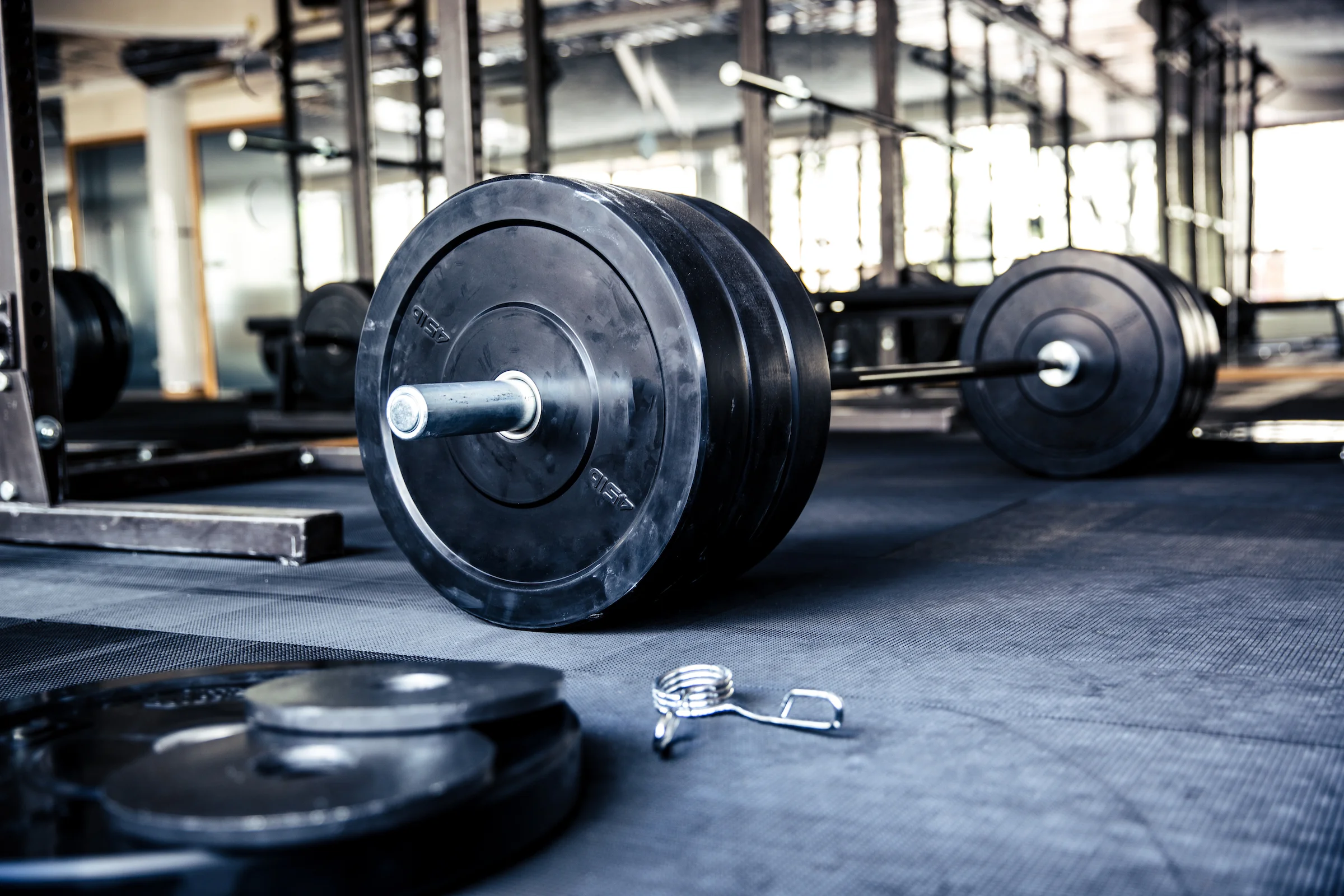
The strength base: a consistent focus on heavy compound lifting — squat, deadlift, bench press, shoulder press — at maximal and submaximal loads. The goal is building absolute strength and power that transfers directly to the physical demands of the job. Not bodybuilding volume. Not light functional movements. Heavy loads, sound mechanics, progressive loading over time. The how to get strong post covers the research and the principles.
The supplemental work: accessory movements that build unilateral strength, muscular endurance, coordination, and balance without the recovery cost of additional heavy compound work. Walking lunges and step-ups are particularly effective here — both build single-leg strength and stability that directly supports running, rucking, and the asymmetric demands of field work. They can be loaded or unloaded depending on the athlete’s current capacity and the training goal.
The long game in practice: combining consistent heavy lifting with this supplemental work has produced athletes who do not break down under load, during long movements, or over the course of multi-day military selections. This is not theoretical. After training this way, a 12-mile ruck at 45 pounds dry completed in just over three hours left the legs feeling strong at the finish — not destroyed. Twenty-two hours later, at the end of a 26-hour event, there was still something left in the tank.
That is what durability actually looks like. Not surviving. Finishing with capacity remaining.
The Practical Priority
If you have been spending the majority of your training time on endurance work — runs, rucks, conditioning — and you are wondering why you keep getting hurt or why you feel perpetually beat up, the answer is almost certainly that your strength base is insufficient to support the movement demands you are placing on it.
Add progressive overload strength work three to four days per week. Replace some of the long slow distance with high-intensity intervals. Protect the joints with consistent mobility work. The combination will make you more durable, faster, and stronger — simultaneously.
The goal is to still be training hard at 40, 50, and beyond. That requires building the body up, not just grinding it down.
If you want a complete training program built on these principles — strength as the foundation, conditioning and endurance built on top — the Strategic Foundations Training Team is designed for exactly this. Fourteen days free.
References
Hoffman, J., Chapnik, L., Shamis, A., Givon, U., & Davidson, B. (1999). The effects of leg strength on the incidence of lower extremity overuse injuries during military training. Military Medicine, 164(2), 153–156.