General Physical Preparedness: The Foundation Every Military Athlete Needs
Most people build their fitness by doing more of whatever they are already good at.
Good runners keep running. Strong lifters keep lifting. The result is an athlete who is excellent at one thing and increasingly fragile at everything else — which is fine if you are a specialist athlete with a season and an offseason, and a serious problem if your job requires you to be capable across a wide and unpredictable range of physical demands.
The military is the latter. And the solution is General Physical Preparedness.
What GPP Actually Is
General Physical Preparedness — GPP — is defined simply: being competent across a broad range of physical demands without being elite at any single one.
The ten general physical skills most commonly identified:
- Cardiovascular/respiratory endurance
- Stamina
- Strength
- Flexibility
- Power
- Speed
- Coordination
- Agility
- Balance
- Accuracy
A well-designed training program works to improve all ten. A poorly designed one — or one built around a single test — develops two or three while leaving the rest to atrophy.
The traditional military PT model falls squarely in the second category. Three-mile runs, push-ups, sit-ups, pull-ups. Designed for a fitness test. Reasonably effective for that narrow purpose. Completely inadequate for the actual demands of military service.
The clearest evidence of this: the number of soldiers and Marines who run sub-18-minute three-miles and then fall out of a 12-mile ruck. Cardiorespiratory endurance and stamina under load are not the same quality. Neither is aerobic capacity and the strength required to carry a casualty.
What Happens When You Replace Specialization With GPP
When a dedicated runner — someone who scores at the top of the aerobic endurance scale — replaces 80% of their running volume with training across the other nine physical skills, their running does not get worse. It gets better.
This seems counterintuitive until you understand the mechanism: runners typically have terrible posterior chain strength, limited hip mobility, and no power development. Fixing those deficits removes the limiters that were capping their running performance regardless of how many miles they logged. A stronger, more mobile, more powerful athlete runs better — even with less running volume. This is the same principle covered in how to run faster on fewer miles.
The same applies to every other physical quality. Developing a broad base makes each individual quality more accessible and more durable under real-world conditions.
The 80/20 Application
GPP does not mean abandoning specific training goals. It means building the general foundation first — then using the remaining training capacity for specific development.
A practical application of the Pareto Principle to training: 80% of your training time focused on building broad general fitness, 20% directed toward your specific goals or job requirements. This gives you the base that makes everything else work, plus the specific capability your role demands.
For a Marine officer: 80% GPP, 20% run-specific work and load carriage conditioning. For someone prepping for a strength-focused selection: 80% GPP, 20% heavy strength specialization. The foundation stays the same. The emphasis shifts based on the timeline and the goal.
This is also why rigid specialization creates the PFT-maxing soldier who falls apart under kit — they skipped the 80% and put all their effort into the 20%.
What GPP Looks Like in Practice
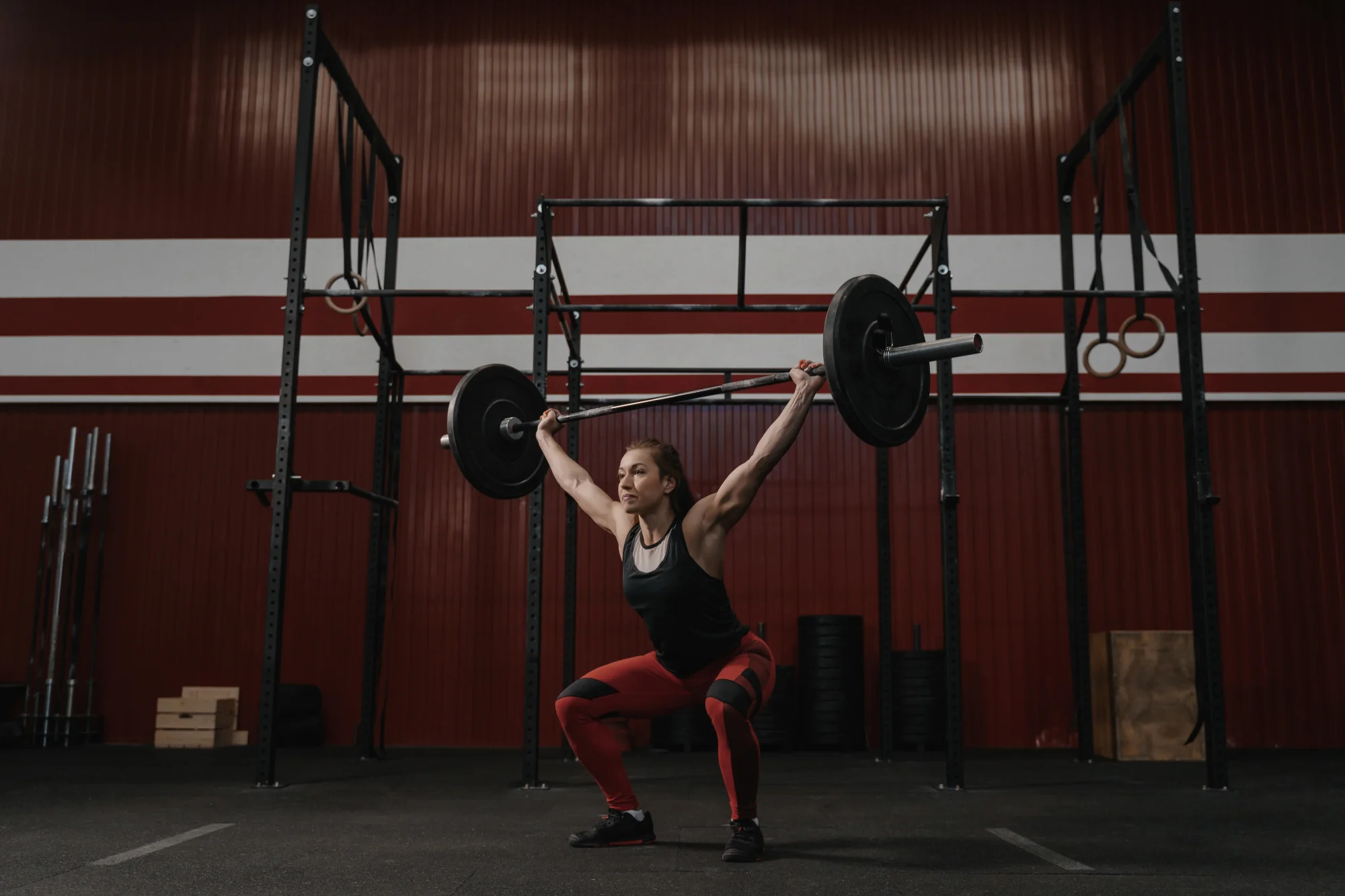
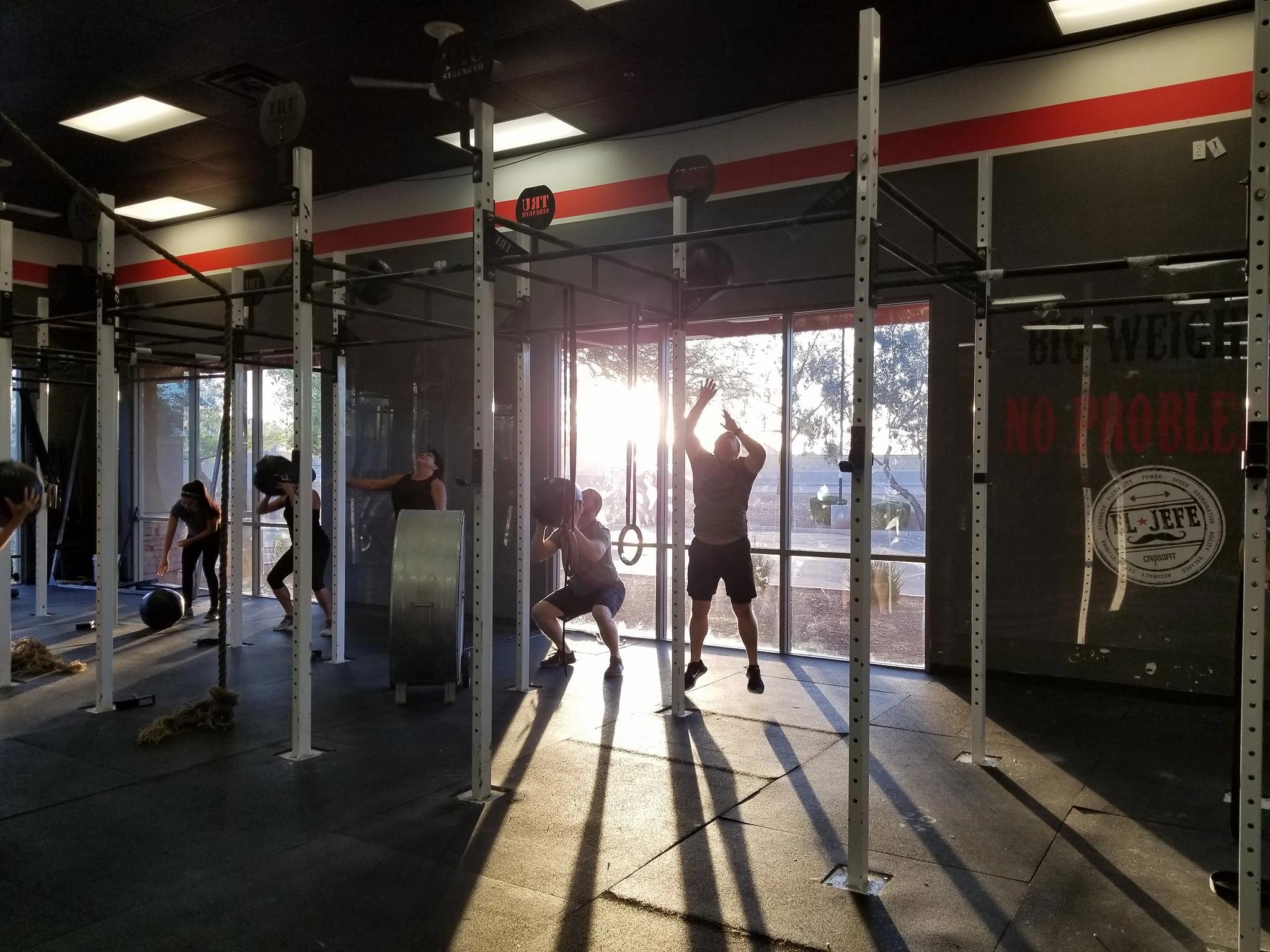
Practically, GPP-based training looks like what CrossFit identified as its methodology — varied functional movement at high intensity — though the application for military athletes differs in important ways from the sport-focused CrossFit model.
The key elements:
- Compound strength work (squat, deadlift, press, pull) as the foundation — strength supports durability
- High-intensity interval conditioning rather than long slow distance — more aerobic adaptation, less overuse injury
- Loaded carries, bodyweight movements, and functional patterns that mirror real-world demands
- Consistent mobility and durability work to keep the system functioning across a career
This is what makes you harder to break, more capable in more situations, and useful to the people around you when conditions get hard — which is the actual point.
GPP is the broad capability layer. Aerobic fitness as a foundation for strength training covers one narrower piece of that system: how the aerobic energy system improves recovery between sets and supports long-term strength work.
If you want a complete daily program built on these foundations — GPP as the base, military-specific work on top — the Strategic Foundations Training Team is exactly that. Fourteen days free.